trek3

trek3

“We don’t just sell bikes, our passion flows through what we do”. Website URL:

School

School - Road Safety

Basic Road Safety (Beginners)

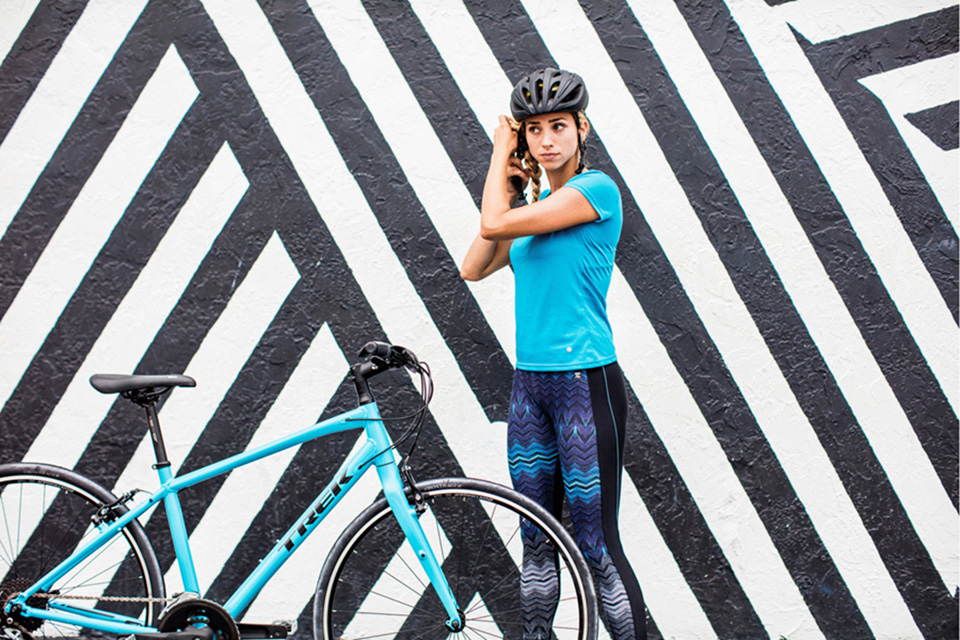
Under this section, this is the basic safety aspects/tips of what a cyclist of any level should know to enhance their safety while using their bicycles on the roads. Nonetheless, this is also to keep them informed about the rules and regulations governing as well as to prevent accidents.
  • Protect your head from injury by wearing a safety cycling helmet.
  • Be in appropriate attire while cycling. Avoid wearing slippers, baggy long pants and dresses/skirts while cycling.
  • Sturdy, covered shoes are highly recommended.
  • Ensure that you get a bike that fits you appropriately. A good gauge is that both feet must be able to touch the ground and your upper body is able to lean slightly forward while holding on to your handle bars without causing pain.
  • Adhere and abide to all traffic lights and laws on the road.
School 01


Intermediate Road Safety (Fitness Riders)

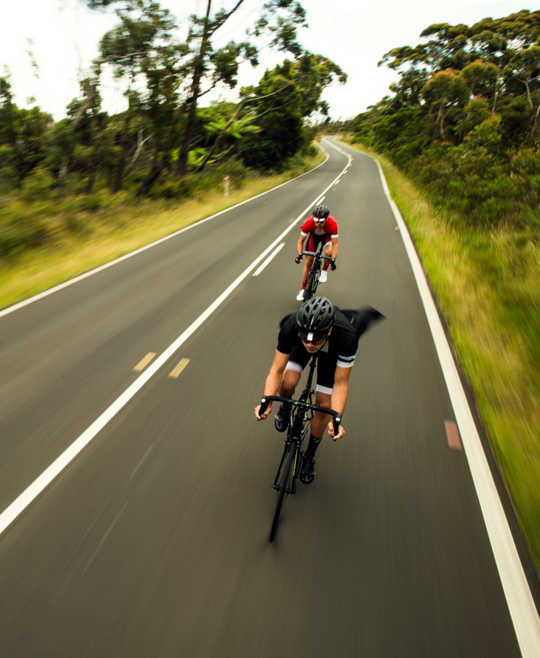
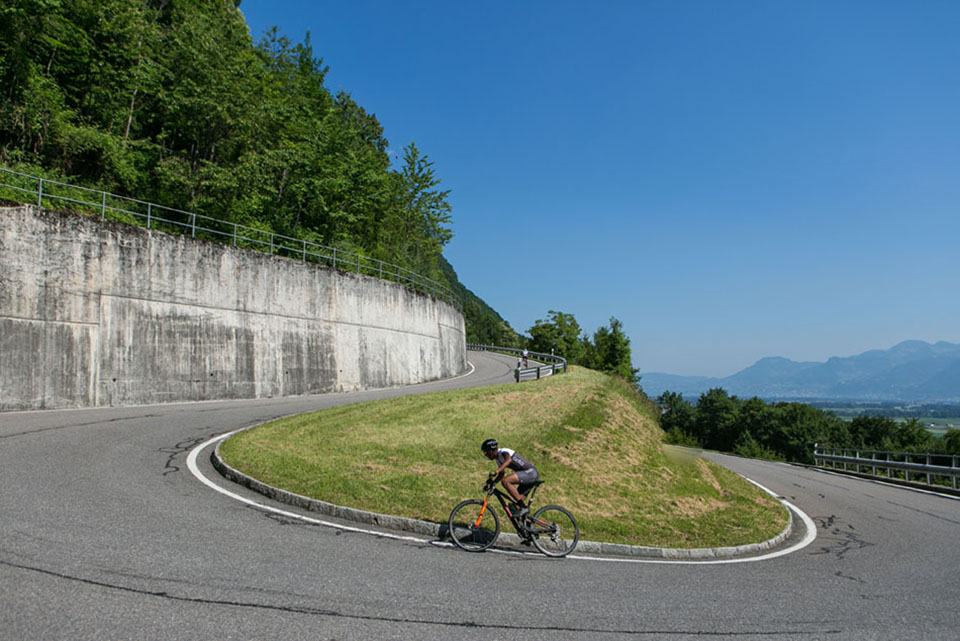
At the intermediate level, you should be able to cycle with ease and reasonable pace. As the speed increases, so does the reaction time, therefore it's imperative that you keep a constant look out for road hazards and danger. Here are some tips to keep yourself away from these dangers.
  • Other than the basic kit that you are wearing, you should invest on a good set of eyewear to prevent dust/debris that can potentially get blown into your eyes which cause your vision to be temporarily blurred.
  • Do a quick check on your bicycle. Ensure that the brakes are in good working condition. Ensure that your tyres are properly inflated to the right pressure.
  • Be properly hydrated by carrying a water bottle or a hydration pack.
  • If you are using clipless pedals, look ahead and un clip in advance.
School 02


Advance Road Safety (Riding in a group)

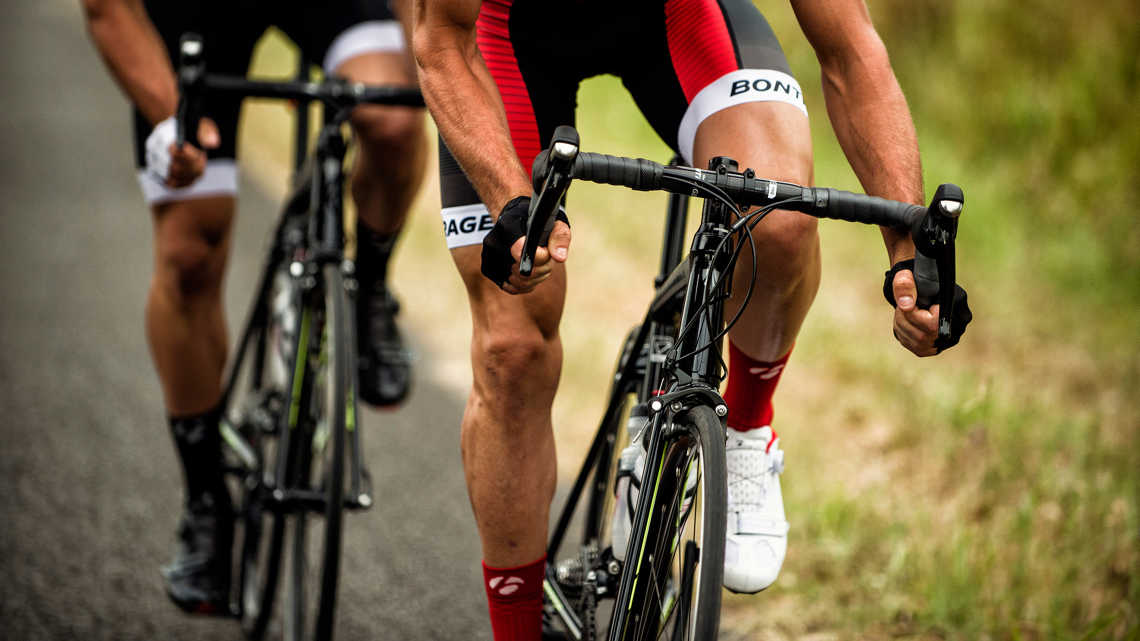
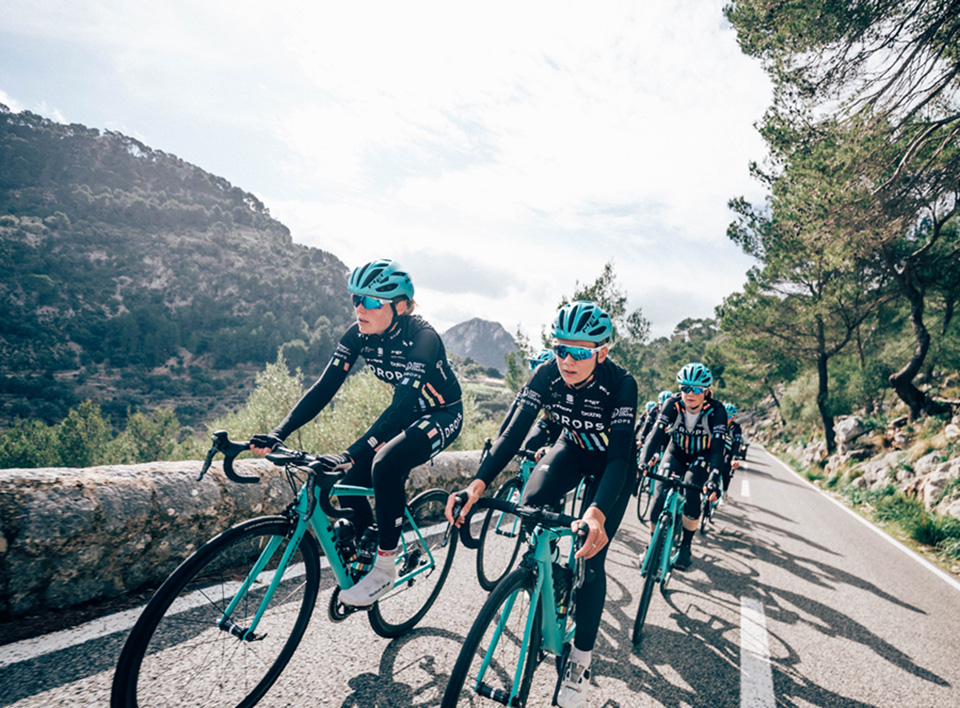
Busy roads, group rides or solo rides are how people usually go about on their road rides. For an expert, following someone who is faster than you can help you improve. Hence, this section will give you some advice for riding and proper hand signals when you ride in a group on the roads.
  • Indicate intention early and use hand signals to notify fellow cyclist and motorist if you're turning and/or stopping.
  • Pass down and echo out in a firm and audible manner to alert the pack when there are debris, potholes or possible dangers ahead.
  • Be aware of what is happening around you and be prepared to anticipate for sudden braking.
  • Do not beat the red light in the event that you are left behind by your pack. Just echo down to the pack ahead to slow down.
School 03


Mountain Biking Etiquette (Mountain Biker)

Mountain Biking is a sports where it requires a lot of focus. It is important to get your physique and stamina up but it is also important to build up on proper techniques of riding properly in trails. Here are some common etiquettes:
  • If you are unfamiliar with the terrain, keep things slow which gives you full control of the bike. When doing so, keep to the left side of the trail so faster riders can make their pass.
  • Call out to slower riders when you are overtaking them so they will have time to react and find a better line to prevent accidents.
  • Shift your gears appropriately to climb and descend to maximize the lifespan of your bicycle.
  • Try to avoid hard braking. This is to reduce erosion which damages the trail.
  • Do not litter and create a ruckus in the trails as you will destroy the nature and ecosystem within the trails.
  • Be self sufficient in terms of hydration and spares as you might be caught with mechanical failures and even tyre punctures.
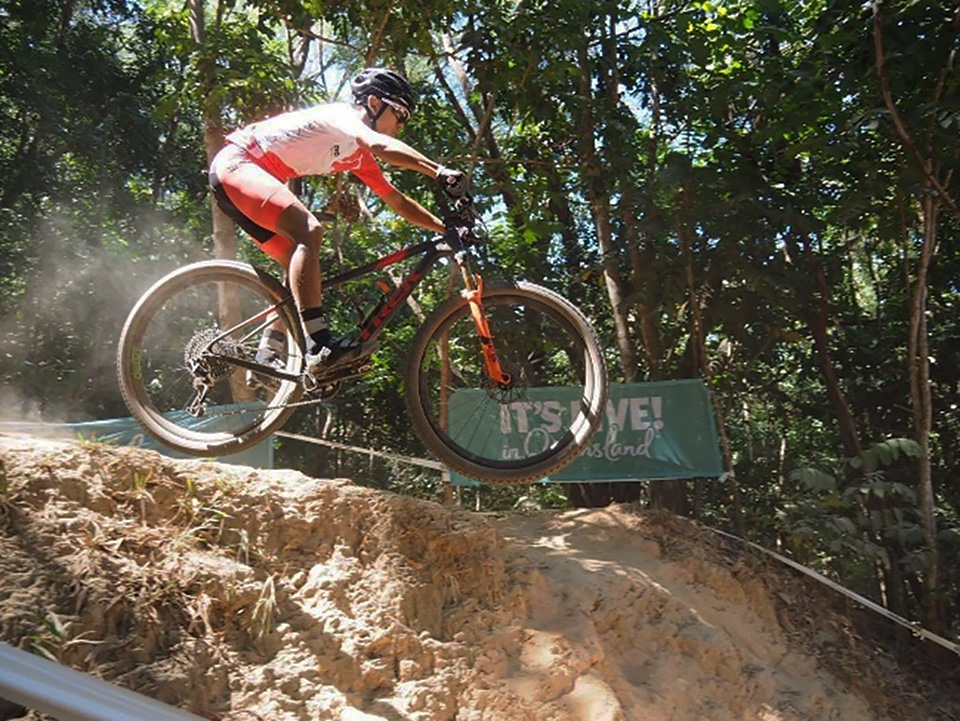
School 04


Read more...

Where To Ride In Malaysia

Recommended Cycling Routes

Malaysia

Click on a column header to sort table

Location NameType: Road / MTB / LeisureDistanceDifficulty LevelHow to get thereStarting PointEnding Point
Taman Bukit Kiara. TTDI,
Kuala Lumpur
Trail Name: Office
Cross-country - Drop,
Roller Coaster
MTB 1KM Beginner From LDP Highway toward Kepong, exit TTDI Taman Bukit Kiara Car Park Taman Bukit Kiara Car Park
Taman Bukit Kiara.
TTDI, Kuala Lumpur
Trail Name: Upper Carnival
Downhill - Bridge,
Drop, Rock Face
MTB 5KM Intermediate From LDP Highway toward Kepong, exit TTDI Taman Bukit Kiara Car Park Taman Bukit Kiara Car Park
Taman Bukit Kiara.
TTDI, Kuala Lumpur
Trail Name: Twin Peaks
Uphill - Jump
MTB 1.3KM Intermediate From LDP Highway toward Kepong, exit TTDI Taman Bukit Kiara Car Park Taman Bukit Kiara Car Park
Putrajaya
Challenge Park. Precint 5,
Putrajaya
MTB 9.1KM Intermediate MEX Highway PCP Car Park PCP Car Park
Bukit Beruang, Melaka MTB 5.91KM Intermediate From NSE to Exit 231-Ayer Keroh Bukit Beruang Entrance Bukit Beruang Entrance
Mount Erskine
Bike Trail,
Penang Hill
MTB 3.52KM Intermediate Penang Hill Mount Erskine wet market Mount Erskine wet market
Kota Damansara
Community Forest
(KDCF)
MTB 14KM Intermediate Section 10, Kota Damansara Section 10 Section 10
KL Car Free Morning
(1st and 3rd Sunday
every month)
Leisure 7KM Beginner DBKL Dataran DBKL 1 Dataran DBKL 1
Forest Research Institute of Malaysia (FRIM)
Trail Name: Light
Road / MTB / Leisure 10KM Beginner From LDP Highway toward Kepong,
exit E11 to Selayang-Kepong
Highway/Route 23 to
Jalan FRIM
FRIM Car Park FRIM Car Park
Forest Research Institute of Malaysia (FRIM)
Trail Name: Medium
MTB 20KM Intermediate From LDP Highway toward Kepong,
exit E11 to Selayang-Kepong
Highway/Route 23 to
Jalan FRIM
FRIM Car Park FRIM Car Park
Forest Research
Institute of Malaysia (FRIM)
Trail Name: Hard
MTB 30KM Expert From LDP Highway toward Kepong,
exit E11 to Selayang-Kepong
Highway/Route 23 to Jalan FRIM
FRIM Car Park FRIM Car Park
Shah Alam Cycling Lanes Road 10KM Beginner Shah Alam Section 4 Section 4
Penang Bicycle Lane Road 33KM Beginner Penang Queensbay Queensbay
Kepong Metropolitan Park Road 3.3KM Beginner Kepong Kepong Metropolitan Park Kepong Metropolitan Park
Fraser's Hill, Pahang Road 40KM Intermediate Pahang Kuala Kubu Bahru/Raub Fraser Hill


Back to Where To Ride


Read more...

Alpha Aluminum

  • Published in Technology

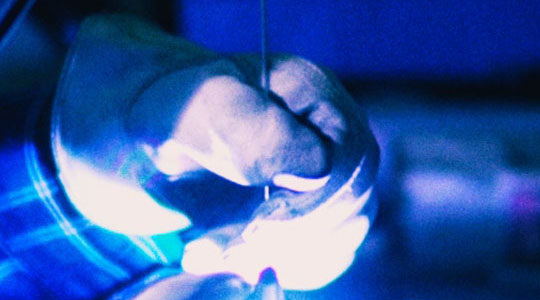
Trek's most advanced aluminum ever

Aluminum frames and components have been commonplace throughout the cycling industry for much of its history, but that doesn’t mean there aren’t extraordinary opportunities for advancement and perfection. With Alpha Aluminum, Trek has applied the most sophisticated concepts of metallurgy and stretched them to the absolute maximum—building frames that are strong, light, and provide a ride quality that rivals that of many of their carbon counterparts.

A lighter, more compliant ride

Over the years, aluminum frames have earned a reputation as being overly stiff and providing poor ride quality compared to their carbon brethren. The engineers at Trek have made it their mission to challenge this assumption, using methods that allow the material to retain its best characteristics—its lightness and strength—while simultaneously improving ride quality.

Many cyclists enjoy the responsiveness that comes with stiffer aluminum frames. Unfortunately, what starts out as a snappy, fun ride can quickly become uncomfortable and fatiguing on long or rough outings, making aluminum a poor choice for endurance and adventure-minded riders.

Alpha Aluminum was developed to build more compliant frames that retain the acceleration and affordability that have always made aluminum popular. By taking a comprehensive approach to frame design and construction, Trek is able to fine-tune frames to be stiff where necessary and compliant where possible. The result is a more enjoyable ride that expands the opportunities for you to comfortably enjoy your aluminum frame.

With Alpha Aluminum you won’t have to think twice about hitting the gravel or signing up for a multiple-day tour. More than ever, an aluminum bike is the only bike you’ll need for recreation, touring, training, and competition.

Aluminum Ride


From blueprint to reality

Metallic materials can’t be molded like composites. Creating the unique shapes that make for great ride characteristics requires forming, or an actual manipulation of the tube material to take on a desired shape. Holding a sincere belief that materials as difficult to work with as aluminum can in fact be manipulated into something exceptional, Trek has created unique Alpha Aluminum frame designs that are so much more than tubes of aluminum welded together.

Trek goes a step further in its willingness to experiment, and the difference is noticeable in performance, comfort, and aesthetics. By stretching aluminum alloy to its absolute capacity, Trek engineers are able to achieve a two-fold benefit: reduced weight and reduced stiffness in key areas that produce a harsh ride quality.

Aluminum Reality


What is hydroforming?

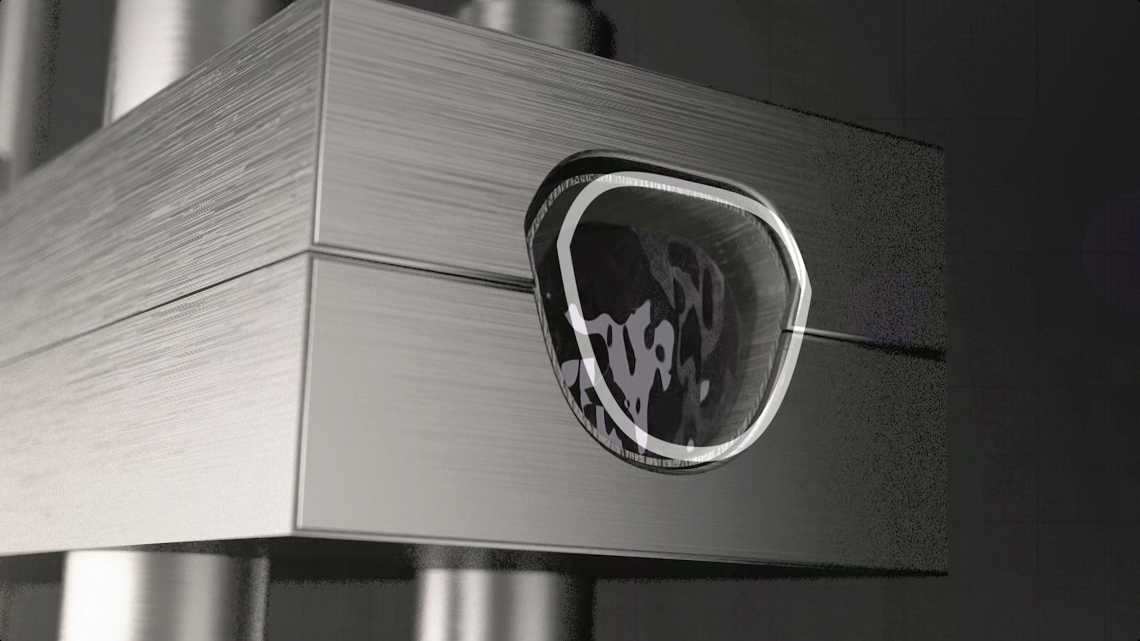
Proven effective in the world of high-end performance automobiles, hydroforming is the process of injecting fluid into a cylindrical frame tube to manipulate it into a more beneficial shape. Hydroforming allows Trek engineers to bring complex aluminum frame designs, especially those with advanced aerodynamic properties, from the drawing board to the production line.

Ask any engineer, and they’ll tell you the quintessential engineering shape is a circle. Alloy frame tubes begin as cylinders because this shape allows for an equal load distribution and stiffness that is uniform throughout the tube. Because circular shapes lack in aerodynamic properties, however, Trek employs hydroforming to manipulate the aluminum alloy tubes into performance shapes that retain strength while also adding to the frame’s aerodynamic properties and ride quality.

Aluminum Hydroforming


Seamless transitions

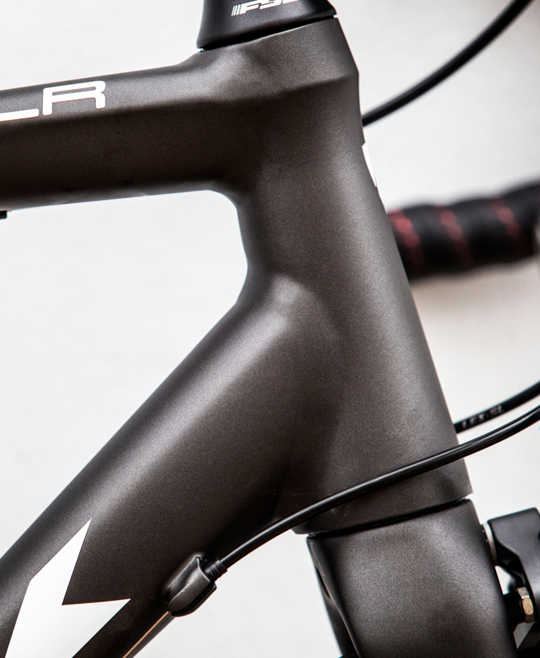
Trek’s advanced Alpha Aluminum frames feature Invisible Weld Technology, a revolutionary welding process that decreases weight and increases structural integrity, while also delivering finely tuned welds that are as aesthetically pleasing as they are strong.

Let’s be honest: Looks matter. A premium road bike requires clean, esteemed aesthetics that are not blemished by sloppy, highly visible weld material at every joint. Invisible Weld Technology produces welds that are just that—invisible.

By forming pressurized tube shapes that fit together perfectly, Trek’s engineers make it easier not only to weld tubes into frames, but dramatically reduce the amount of weld material required to do so.

Less weld material allows for larger continuous surface areas on the frame, which increases strength and durability. Using less weld material also allows production engineers to control every gram of material that goes into the bike, which results in frames that are lighter than many carbon fiber alternatives. Trek’s lightweight, ultra-strong Alpha Aluminum frames with Invisible Weld Technology disrupt the notion that an aluminum bike can’t compete in ride quality or weight with a carbon bike.

Aluminum Seamless


A new era for aluminum

The amazing innovations of Alpha Aluminum have produced bikes that stand up against the highest performing road machines made of composite materials.

Trek’s engineers have shown this material may never be obsolete, but that a willingness to experiment can lead to amazing results. Feel the difference of Trek's most advanced aluminum ever today.

Aluminum New Era Shorter


Read more...

OCLV Carbon

  • Published in Technology

Trek's strongest, lightest carbon yet

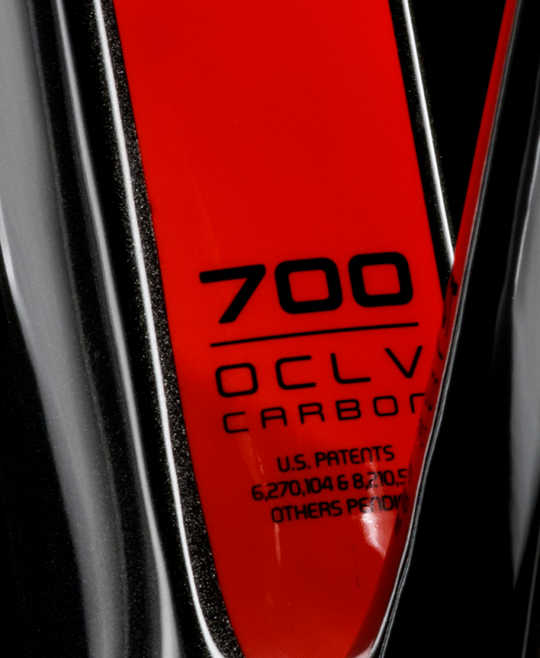
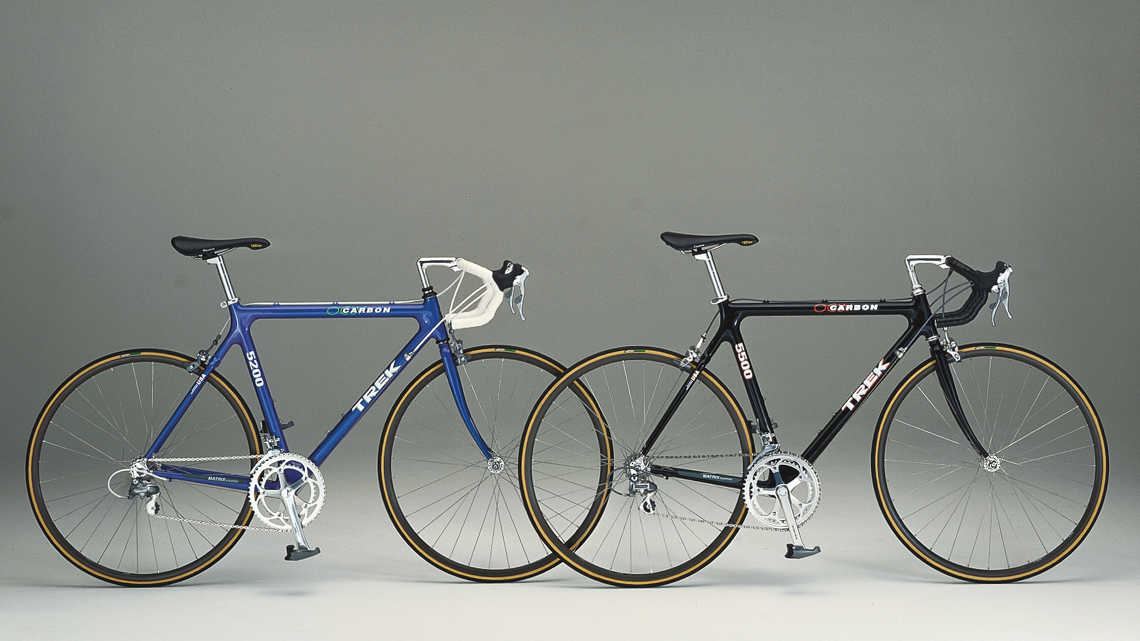
OCLV Carbon is Trek’s patented carbon fiber process, the result of more than 25 years of experience building the world’s finest carbon fiber bicycles in Waterloo, Wisconsin, USA. Experience matters, especially when working with a material that holds seemingly endless possibilities but presents such unique challenges as carbon fiber. To understand the best technology, you have to build it, and Trek has been doing just that since 1991.

OCLV Build


Why OCLV Carbon?

A well-built carbon frame dramatically reduces weight compared to metallic materials, while maintaining the strength and stiffness that high performance bicycles and their riders demand. This is where Trek’s pioneered and patented OCLV Carbon—an acronym for Optimum Compaction Low Void—process comes in. OCLV Carbon frames begin with the best material available. Utilizing defense-grade carbon restricted from exportation outside the United States, Trek has spent countless development hours perfecting the construction of a variety of weights and types of carbon (cloth, unidirectional, etc.). The OCLV process is best explained when broken down into two parts:

OCLV Mash


The OCLV Process

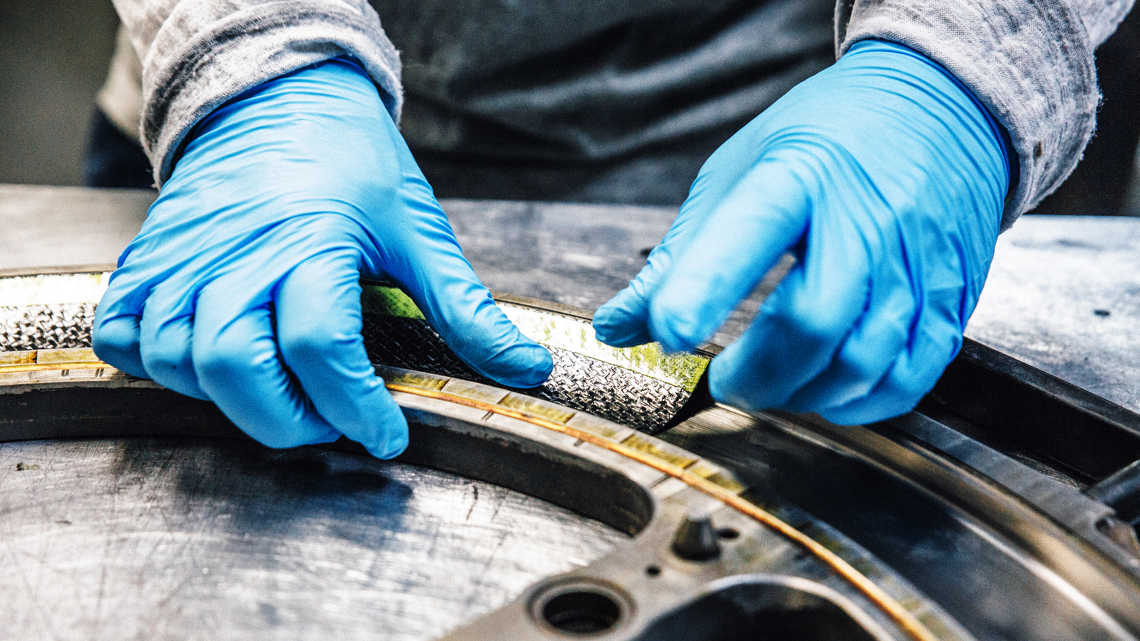
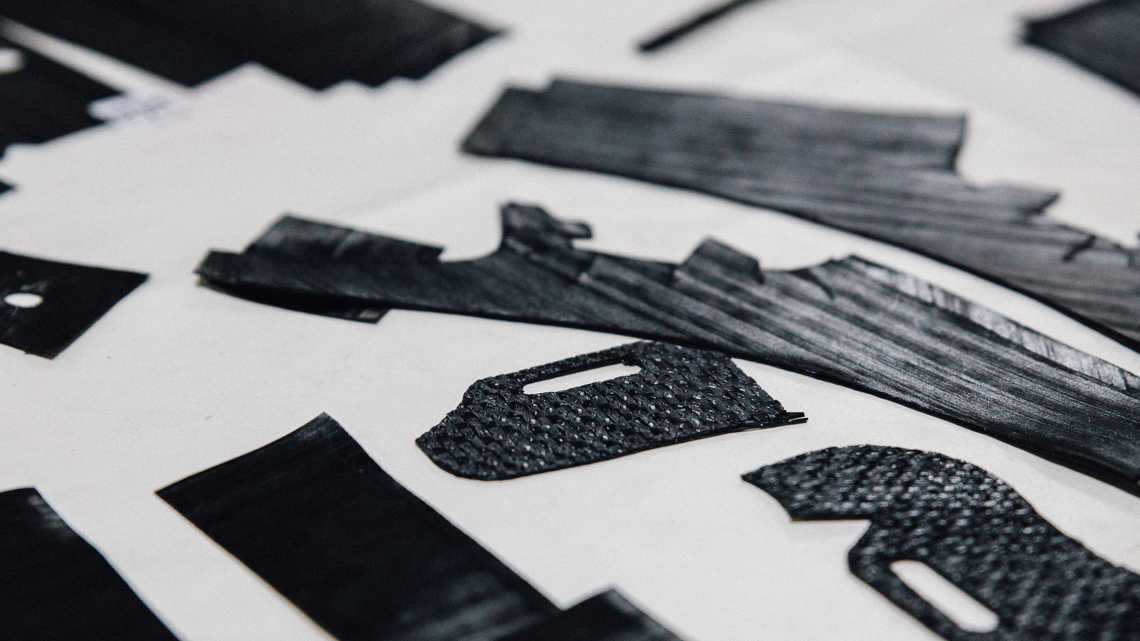
Optimum Compaction: Carbon is layered into a series of plies compacted to the ideal fiber-resin ratio. The process starts with cutting carbon fiber from large sheets to a specific shape which is then placed into a mold. A combination of heat and pressure then compresses the sheets of carbon into a carbon lug. This combination of heat and pressure is OCLV’s most essential and closely guarded equation.

Low Void: Voids are the spaces that exist between the layers of carbon fiber that comprise a component or frame. Minimizing these voids is the primary goal of quality carbon engineering, as more voids translates to reduced strength and durability of the composite material. OCLV Carbon exceeds aerospace standards regarding the number of voids in its material.

OCLV 700


Shapes matter

In addition to sizeable reductions in weight, the largest advantage of carbon fiber frames over another material are the limitless shapes that the material can be molded into. Different shapes exhibit different strength, stiffness, and aerodynamic properties.

Trek utilizes Finite Element Analysis, a comprehensive software simulation toolkit, to tell Trek exactly how different shapes will respond to different riders and riding surfaces. Trek utilizes proven theories of fluid mechanics through Computational Fluid Dynamics in order to explore the aerodynamic properties of various designs. Trek bikes are conceived with computer-generated designs, fluid-dynamically assessed and finite analyzed, and the resulting shapes appear seamlessly machine-made. At the end of the day, these complex scientific investigations are applied in a hands-on, ground-up process that combines multiple molds with a variety of carbon materials to result in a magnificently engineered and largely hand-built product.

OCLV Material


OCLV Mountain

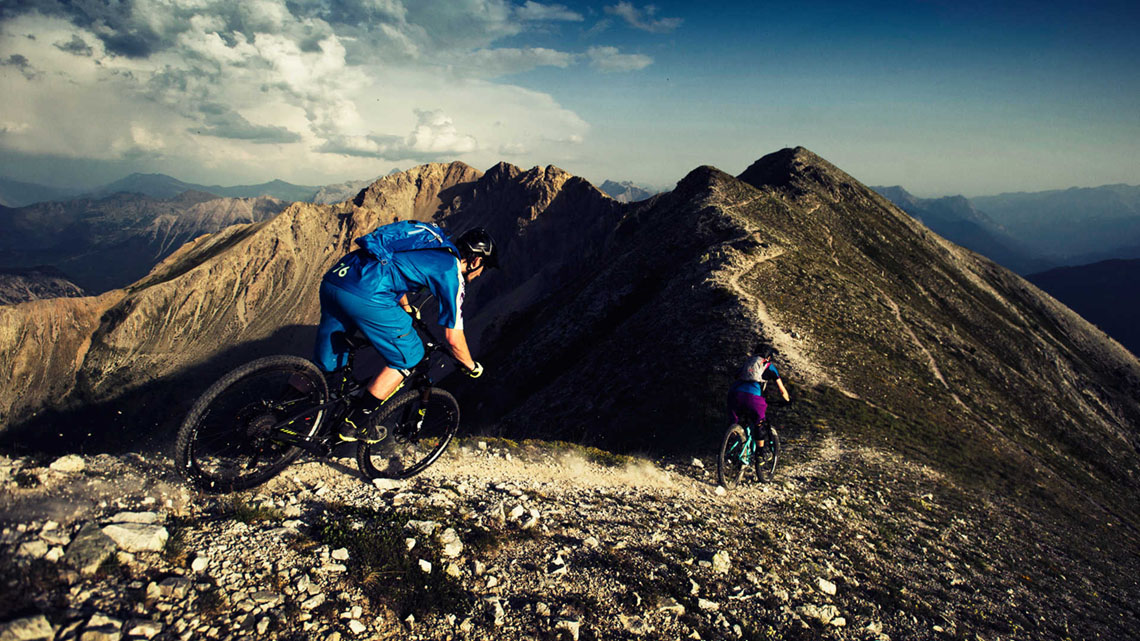
Mountain biking is about pushing the limit of where your bike can take you. Riding on every conceivable surface in hostile conditions takes a toll on any material. To develop OCLV Mountain, Trek’s engineers developed a methodology borrowed from the aerospace industry to ensure its frames were up to the challenge: Retained Strength. The philosophy is simple and based around the single question of how durable a frame remains following impact. By employing different composite materials in unique layups specifically in typical high damage areas, Trek’s engineers have created frames that now retain their ability to bear load after an impact surpassing even their aluminum counterparts.

OCLV Mountain


Carbon armor

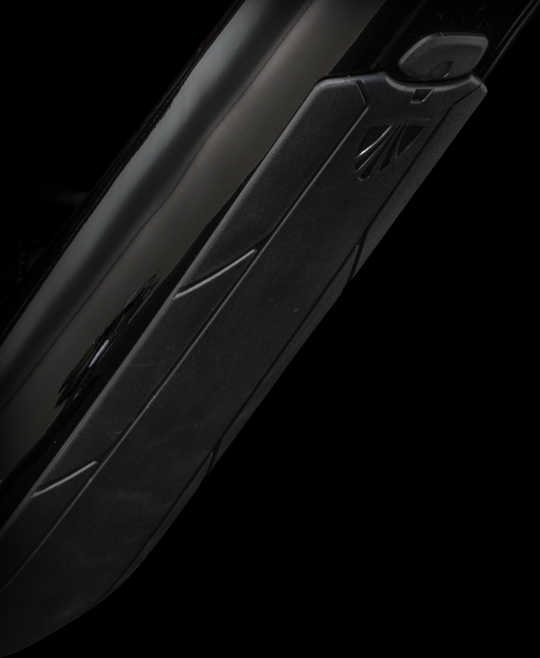
Taking durability to another level, Trek’s development team created Carbon Armor, a highly refined elastomeric designed to slow down and spread the distribution of a sharp impact to the frame.

Carbon Armor essentially decreases the immediate impact of a rough hit the frame feels, leaving you feeling more confident than ever to go after that next drop.

OCLV Carbon Armor


Built to last

rek builds bikes to last and Trek stands behind every one that bears its name.

Just as the first Trek hand-welded over forty years ago in a red barn, Trek's first full carbon frame is still under warranty. All OCLV Carbon bicycles come with a limited lifetime warranty, because Trek believes that more people riding bikes is in everybody’s best interest.

Trek Logo


OCLV 2 Bikes

Read more...

TREKNOLOGY3 PTE LTD

  • Treknology3 Central Showroom
  • 2 Leng Kee Road
  • #01-07, Thye Hong Centre
  • Singapore 159086
  •  
  • Tel: +65 6273 8616
  • E-mail: megastore@treknology3.com

Follow Us

Facebook Icon     Instagram Icon